

The hum of a spinning reel is the sound of modern Australian leisure, echoing from the bright lights of Sydney’s CBD to the regional pubs of regional New South Wales. For decades, the humble pokey has evolved from a simple mechanical curiosity into a sophisticated digital experience that blends psychology, engineering, and entertainment. Today’s entertaining gaming machines are designed to hold attention, offering visual flair and interactive features that keep locals returning for another spin. The shift reflects a broader change in how venues approach leisure, moving beyond pure chance toward a curated experience that mirrors the pace of city life.
Across the country, the market for these devices has matured alongside tighter regulations and smarter technology. Operators now compete on more than payout percentages, knowing that a well-designed cabinet can turn a casual visit into a regular habit. Industry observers note that the best-performing venues treat their gaming floors like entertainment hubs, where lighting, sound, and user interface work together to create a seamless atmosphere. This approach has reshaped expectations, particularly in high-density areas where visitors demand variety and polish.
The landscape has also been shaped by broader cultural and regulatory shifts. When the first modern state lottery in the US (New Hampshire, 1964) reopened the door to legal government gambling, it set a precedent that influenced how jurisdictions worldwide approached licensed wagering. That historical pivot still echoes in how Australian operators balance entertainment value with responsibility, ensuring that the appeal of a spinning screen never overshadows the need for clear safeguards. The result is a market where entertainment and accountability increasingly share the same floor.
The psychology behind the spin
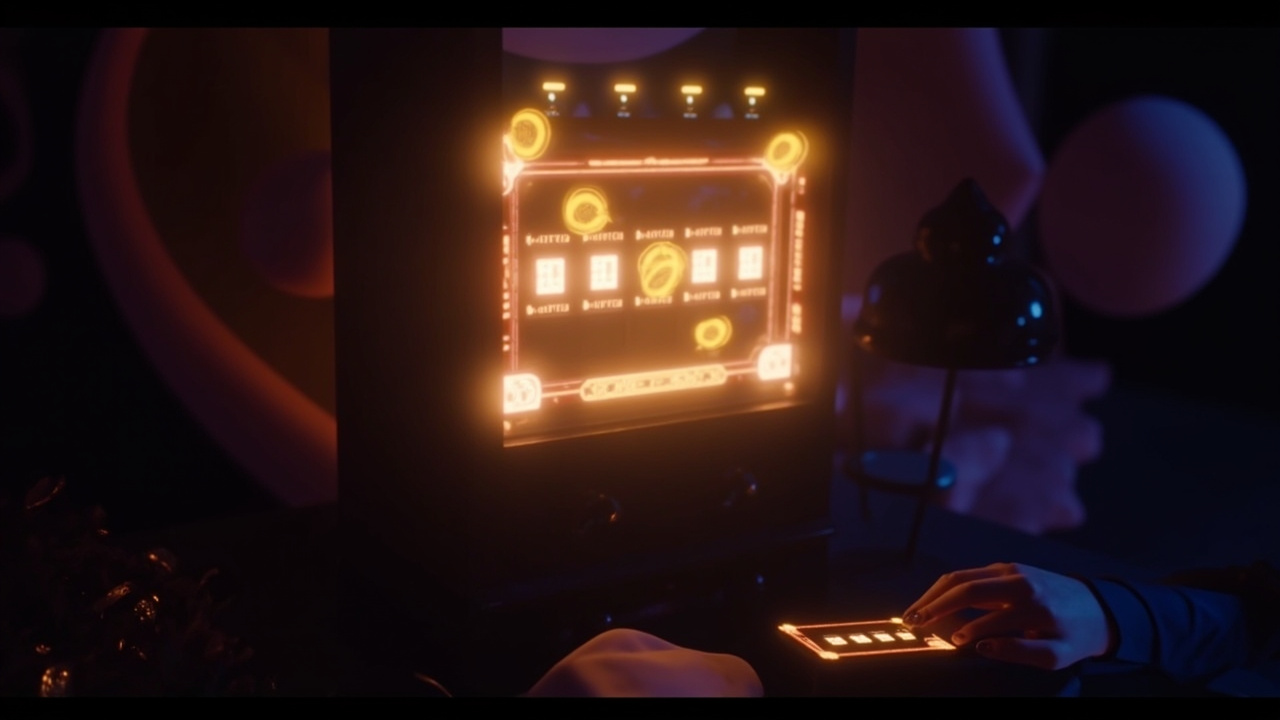
Designers of entertaining gaming machines understand that attention is a finite resource, and the modern cabinet is built to capture it without feeling overwhelming. Visual rhythms, pacing, and reward signals are calibrated to keep players engaged while avoiding the fatigue that comes from repetitive stimulation. The goal is not to overwhelm the senses but to create a steady flow of micro-moments that feel rewarding in their own right. This careful balance explains why a well-tuned machine can hold a player’s focus far longer than a basic setup ever could.
Sound design plays an equally important role, with chimes, rhythmic cues, and layered audio feedback reinforcing each spin. These elements are not decorative; they guide expectation and help the brain register wins, near-wins, and feature triggers in a way that feels natural. Experts in player experience note that the most successful machines use audio to smooth the transition between outcomes, keeping the atmosphere relaxed even during dry runs. The effect is subtle, but it matters when a venue wants punters to stay comfortable and return another day.
Feature rounds have become the centrepiece of this engagement strategy, offering bonus screens, free spins, and interactive choices that break the monotony of base gameplay. Rather than relying on a single jackpot promise, modern entertaining gaming machines stack small moments of novelty that reset attention and create fresh interest. This approach aligns with how people actually consume entertainment today, where variety and interactivity often matter more than a single dramatic event.
This layered approach keeps players invested by transforming each session into a sequence of distinct, rewarding experiences. For developers and operators looking to refine these interactive systems, SkyCity Entertainment Group demonstrates how carefully paced bonus structures can sustain long-term player engagement.
From mechanical reels to digital entertainment
The journey from clunky mechanical cabinets to sleek digital platforms has transformed what a gaming machine can deliver. Early devices relied on physical reels and simple stop mechanisms, but the shift to video-based systems opened the door to richer graphics, dynamic themes, and flexible game logic. Today’s entertaining gaming machines can swap themes, adjust pacing, and introduce bonus mechanics without any hardware change, giving operators a versatile toolkit for keeping floors fresh.
This flexibility has changed how venues rotate their offerings. Instead of waiting for new hardware, operators can refresh a cabinet’s software to match seasonal moods or local tastes, keeping the experience aligned with what patrons want on a given weekend. The result is a more responsive floor where a machine can feel current even after months of service. That adaptability is a major reason why digital cabinets have become the standard in busy Australian venues.
Reliability remains the foundation beneath all that polish. Every machine is built to handle thousands of spins without deviation, and manufacturers test each component to ensure that outcomes stay consistent with the advertised mathematics. The entertainment layer sits on top of that reliability, meaning punters get a polished experience without sacrificing the integrity of the underlying game. That combination of durability and variety is what keeps venues investing in updated cabinets rather than sticking with older stock.
The role of bonus features and themed cabinets
Bonus features are no longer an afterthought; they are the main event for many players who want more than a straightforward spin. Free rounds, multiplier bursts, and pick-and-click rounds give entertaining gaming machines a narrative arc that keeps each session feeling distinct. These features are designed to interrupt routine play with a change of pace, creating a sense of progression even when the base game is running quietly.
Themed cabinets take that idea further by wrapping gameplay in visuals, music, and symbols that evoke a specific mood or setting. A well-executed theme can make a machine feel like a mini-experience rather than a generic terminal, and that emotional connection often matters more than raw payout talk. Operators who curate themes that resonate with local tastes tend to see better engagement, because the cabinet feels familiar and inviting rather than generic.
The balance between theme and function is delicate. Too much spectacle can distract from the gameplay, while too little leaves the cabinet feeling flat. The best entertaining gaming machines strike a middle ground, using theme to enhance the session without burying the core mechanics. That balance is why venues pay close attention to how a cabinet feels during a real session, not just how it looks on a showroom floor.
How operators keep the experience fresh
Keeping a gaming floor interesting requires more than buying new cabinets; it demands a rhythm of updates, maintenance, and thoughtful placement. Operators track which machines draw steady traffic and which ones fade, then adjust layouts and software selections to match observed behaviour. This ongoing tuning is what separates a static room from a living entertainment space, bio-services.net where the atmosphere shifts with the crowd and the time of week.
Staff training also plays a part, because a knowledgeable team can guide punters toward machines that suit their preferences without pushing them toward anything uncomfortable. When attendants understand the features and pacing of different cabinets, they can answer questions and keep the floor running smoothly. That human element complements the technology, ensuring that the experience feels welcoming rather than mechanical.
Venues that treat their gaming areas as part of a broader leisure offering tend to perform better over time. By linking machine selection to lighting, seating, and overall ambience, operators create a space where entertaining gaming machines feel like a natural part of the night out rather than an isolated activity. That integrated approach is especially effective in busy city locations, where visitors expect a polished environment from the moment they walk in.
Responsible play and support systems
Entertainment value means little if it comes at the cost of wellbeing, which is why responsible play has become a central part of how venues and manufacturers think about these devices. Clear information, session tools, and visible support pathways help punters stay in control while still enjoying the experience. The aim is to make responsible choices easy to find and easy to use, rather than burying them in fine print.
Family support services help those affected by another’s gambling, and that reality shapes how operators design their environments and communications. When a venue recognises that gambling can affect more than the person at the machine, it becomes easier to build safeguards that protect households as well as individuals. This broader view has encouraged more open conversations about limits, breaks, and access to help, which benefits the whole community.
Technology supports this effort through session reminders, limit settings, and straightforward access to information about responsible play. These tools are most effective when they feel like a normal part of the experience rather than a warning sign, because punters are more likely to use them when they are integrated naturally. The best implementations make responsibility feel like part of the entertainment, not a separate chore.
Understanding the fine print on the cabinet
Every machine carries instructions and notices that explain how it works, and those details matter when punters want to understand what they are playing. One common notice states that “Malfunction voids all pays” is printed on machines to cover glitches, which is a practical safeguard for both operators and players when an unexpected error occurs. That clause exists to handle rare technical faults without turning a glitch into a disputed win, keeping the process clear and orderly.heaps of wins casino review
Reading these notices is not about finding loopholes; it is about understanding the boundaries of the game and knowing what to expect if something goes wrong. When players know that a machine’s rules are there to protect the integrity of each session, they can focus on the experience itself instead of worrying about edge cases. That clarity is part of what makes a well-run floor feel trustworthy.
Operators also rely on these printed terms to maintain consistency across large fleets of cabinets, because a clear standard helps staff respond uniformly when an issue arises. The presence of such notices reflects a mature approach to operation, where the goal is to handle rare problems without disrupting the experience for everyone else. In that sense, the fine print is less about restriction and more about keeping the floor fair and predictable.
Where the market stands today
The Australian market for entertaining gaming machines continues to evolve as operators balance entertainment, compliance, and customer expectations. Venues in major hubs compete on experience as much as on selection, and that has pushed the whole sector toward better design, cleaner interfaces, and more thoughtful floor planning. The competition is less about who has the most machines and more about who can make each visit feel worthwhile.
Online and land-based channels increasingly inform each other, with digital innovation shaping expectations on the floor and vice versa. Players who enjoy polished digital experiences bring those expectations with them, which encourages venues to keep their cabinets updated and their service standards high. This cross-pollination has raised the bar across the board, benefiting punters who want a consistent level of quality wherever they play.
Among the operators shaping this space, Joe Fortune stands out as one of the leaders of the Australian market in the comparison table, reflecting a broader trend toward brands that combine strong product selection with a clear focus on user experience. That kind of positioning matters because punters now compare venues on more than location alone, weighing how well a operator delivers on both entertainment and reliability.
What this means for Australians
For locals, the rise of more polished entertaining gaming machines means venues are competing on experience as much as on selection, which can make a night out feel more varied and less repetitive. A well-run floor offers a mix of themes, pacing, and features that suit different moods, so punters can find something that fits a quick visit or a longer session without feeling stuck with the same old setup.
It also means that responsible play tools and support pathways are increasingly part of the experience, not an afterthought. When venues make limits, reminders, and help easy to find, Australians can enjoy the entertainment with more confidence, knowing that the environment is built to keep things balanced. That shift matters for households as well as individuals, because a clearer approach to support benefits everyone who visits a venue.Adnews
For anyone comparing options, the practical takeaway is to look beyond the flashiest cabinet and consider how a venue manages its floor, updates its machines, and supports responsible play. A place that treats its gaming area as part of a broader leisure experience tends to offer a better visit overall, and that is the standard worth expecting across the country.